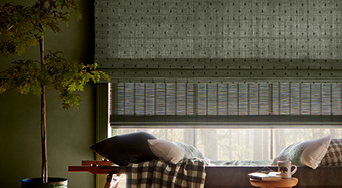
Renowned for his distinctive Americana-inspired, lived-in, layered aesthetic, Max Humphrey introduces new designs to his collection of handwoven grassweave windowcoverings for Hartmann&Forbes. During the creation of his latest book, Lodge: An Indoorsy Tour of America’s National Parks, Humphrey drew inspiration for this design update from his travels. The result reflects a delightful infusion of rustic charm, a cozy aesthetic, and always a nostalgic twist.
With a nod to nature, the TREES Woven-to-Size Grassweave series is jacquard-handloomed of ramie in a forestry pine palette that brings the outdoors in. The HERRINGBONE series, reminiscent of iconic camping blankets, is handwoven in a herringbone pattern resembling miniature mountain peaks rendered in an earthy tone-on-tone palette in three natural colorways. Humphrey also introduced two new colorways, Gray and Blue, to his iconic handwoven GINGHAM series.
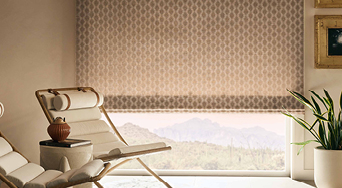
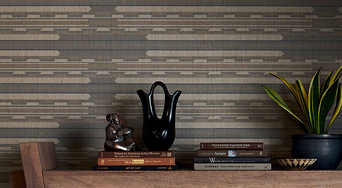
Located in Santa Fe, New Mexico, the Museum of Indian Arts and Culture (MIAC) serves as a center of stewardship, knowledge, and understanding of the artistic, cultural, and intellectual achievements of the diverse peoples of the Native Southwest. Hartmann&Forbes was honored to be invited to view the Museum’s extensive textile, basketry, and pottery collections and to select four objects from which to reimagine in a range of modern windowcoverings. Each design is jacquard-handloomed and inspired by a different Native craft tradition: basketry, pottery, and weaving. This collaboration with the Museum pays homage to the natural materials and design motifs integral to the Hopi, Yurok, Diné (Navajo), and Pueblo peoples, and it is our hope that these interpretations honor the creative conversations between the maker and the objects.
“In reference to the intricate tapestry of craftsmanship and cultural expression, Hartmann&Forbes proudly affirms our respect for hand-made traditions, our unwavering commitment to using natural and sustainably harvested materials, and our design philosophy grounded in respect. As we collaborate with the Museum of Indian Arts and Culture, an institution dedicated to sharing the rich tapestry of artistic and cultural traditions of the diverse peoples of the Native Southwest, our shared vision is melded into the fabric of a handwoven windowcovering collection—a testament to our mutual commitment to the pursuit of timeless beauty and meaningful connection” ~Rebecca Welch, H&F Design Director
The Museum of Indian Arts and Culture Collection by Hartmann&Forbes features four Woven-to-Size Grassweave Windowcovering designs in multiple colorways.
A portion of this collection’s proceeds supports MIAC and its mission.
Due to the weave complexity of the Dash and At Sea series, the max width has changed from 180" to 120" – see complete list below. Please note the correct width on all memos and the Spring 2023 Addendum.
Contact Customer Relations at 888.582.8780 with any questions.
Dash Series LE5803 Porcelain LE5815 Ceramic LE5832 Verde LE5839 Stone
At Sea Series (Erinn V. Collection) LEEV50-03 Sail LEEV50-09 Sanddab LEEV50-12 Halyard LEEV50-57 Ocean LEEV50-60 Reef
Our connection to nature is deeply rooted in everything we do at Hartmann&Forbes. We’re inspired by the renewing qualities of nature and the sanctuary it provides, but equally mindful that we need to continue to give back and renew our natural world. By partnering with ONE TREE PLANTED, a renowned global reforestation non-profit organization, we can make a lasting difference one tree at a time. Beginning in 2024, Hartmann&Forbes will plant one tree for every order placed.
Why Trees? Trees are the unsung heroes of our environment, providing countless benefits, including:
Cleaner Air: Trees absorb carbon dioxide and release oxygen, helping to purify the air we breathe.
Habitat for Wildlife: Forests provide a crucial home for a wide range of wildlife, supporting biodiversity.
Water Conservation: Trees play a vital role in conserving water, preventing soil erosion, and maintaining healthy watersheds.
Climate Mitigation: Reforestation is a powerful tool in the fight against climate change, as trees capture and store carbon.
Health: Trees help reduce stress and anxiety and allow us to reconnect with nature. Additionally, the shade provided by tree coverage helps protect our skin from the sun's harsh rays and keeps us cooler.
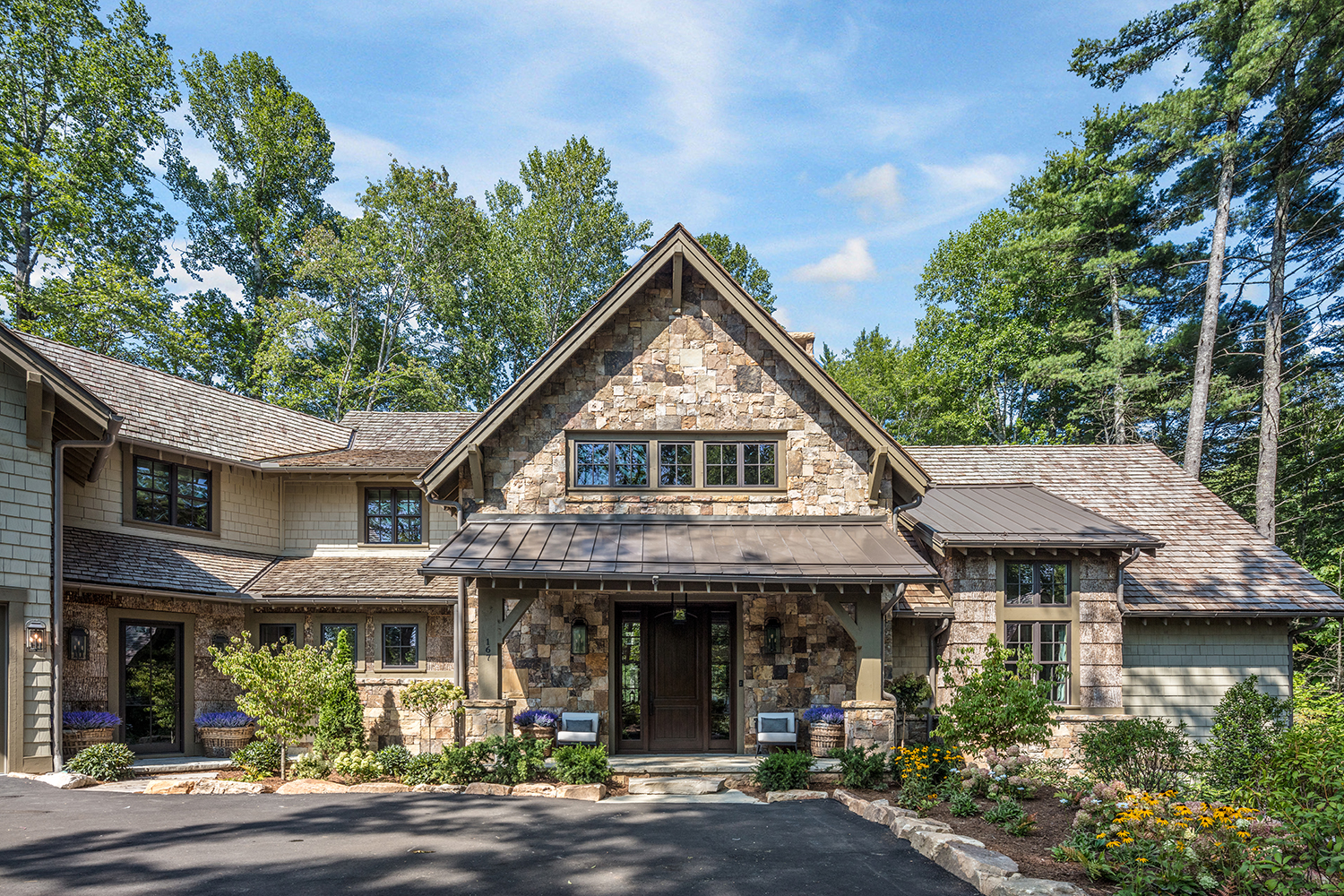
Presented by Cashiers Historical Society and Atlanta Homes & Lifestyles and sponsored by ADAC, this year’s Showhouse is located in Chimney Top, the newest neighborhood in the prestigious Club at High Hampton in North Carolina.
Renowned designers across the Southeast and beyond showcased their individual talents and design styles in this custom-built classic 4 bedroom, 4.5 bath mountain retreat, which features a variety of work/play areas, including a Great Room, an office, a solarium, and a loft. Creating the perfect mountain getaway for multi-generational family visits.
Cashiers Designer Showhouse benefits more than a dozen educational opportunities provided each year by the Cashiers Historical Society to the local community and area visitors. We were pleased to work with Janice Dietz on this beautiful project and to support the Cashiers Historical Society!
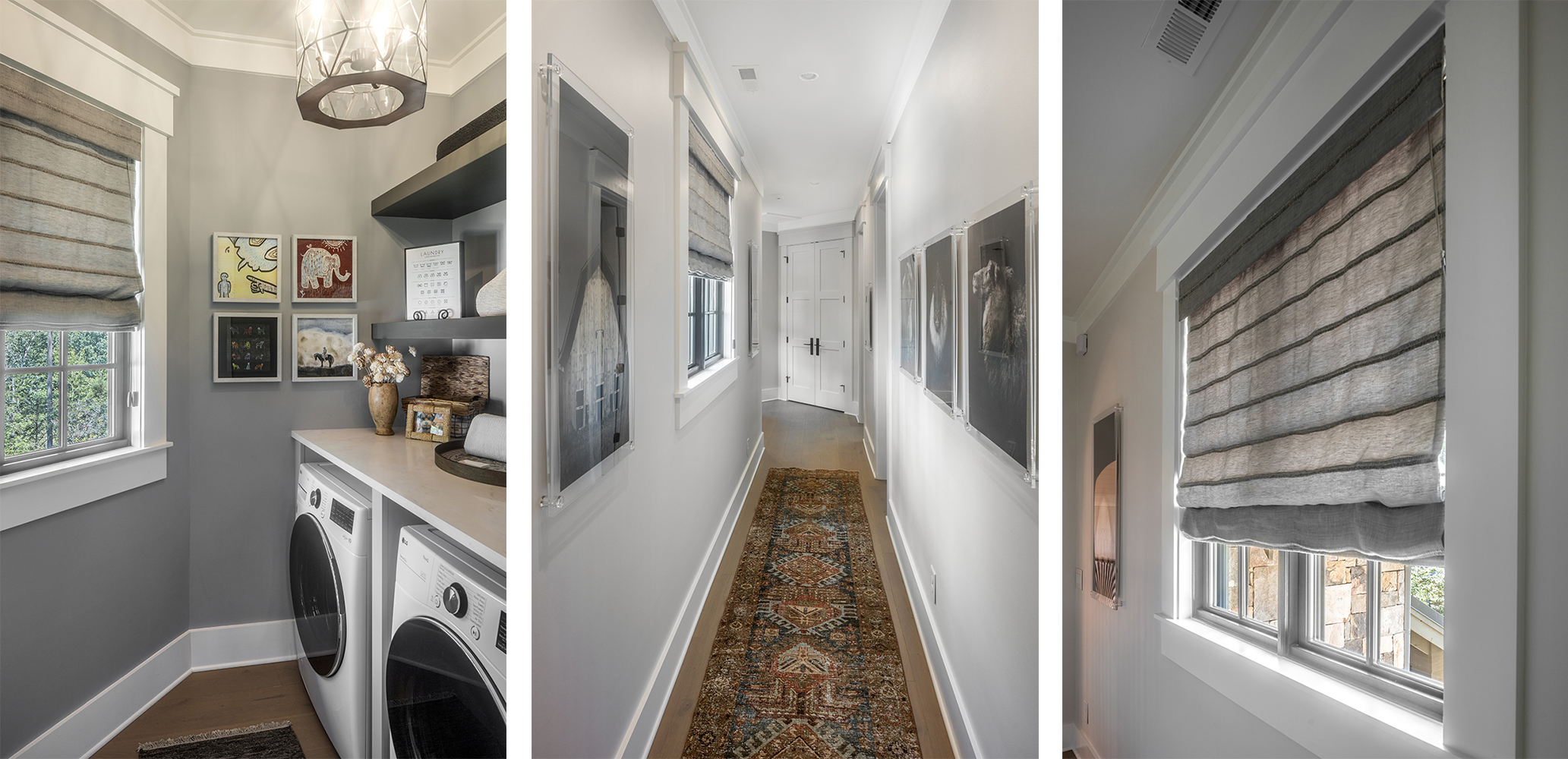
Hall & Upper Laundry Room Designer: Janice Dietz | The Consulting House, Inc. Windowcovering: Traditional Style Roman Shade in EW109-15 Cords - Canvas from the Ertheweave Collection of Soft Natural Fabrics. Photographer: Aaron Hogsed
The Women’s Association for Morristown Medical Center proudly presented its 20th Mansion in May Designer Showhouse and Gardens this year, benefiting The Institute of Bioskills Training and Innovation at the Morristown Medical Center. This signature fundraiser has generated over $12 million since its inception in 1974 for the Morristown Medical Center in New Jersey.
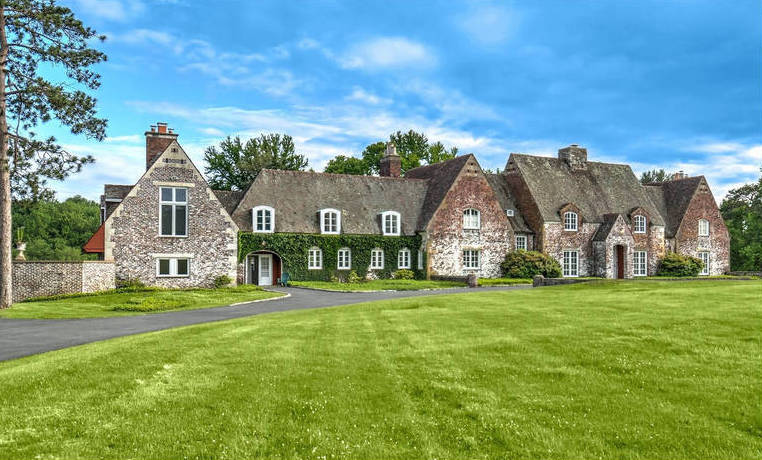
The showhouse happens every two years, with this year’s 9,000-square-foot, stone, French Manor-Style home located in bucolic Mendham, New Jersey. Three Fields, set on 36 acres of rolling hills, was designed by New York architect Greville Rickard and completed in 1930. This year’s mansion involved 29 interior designers and 14 landscape designers displaying their vision and creativity throughout the elegant home. We were pleased to be included in this beautiful project and to support such a great cause!
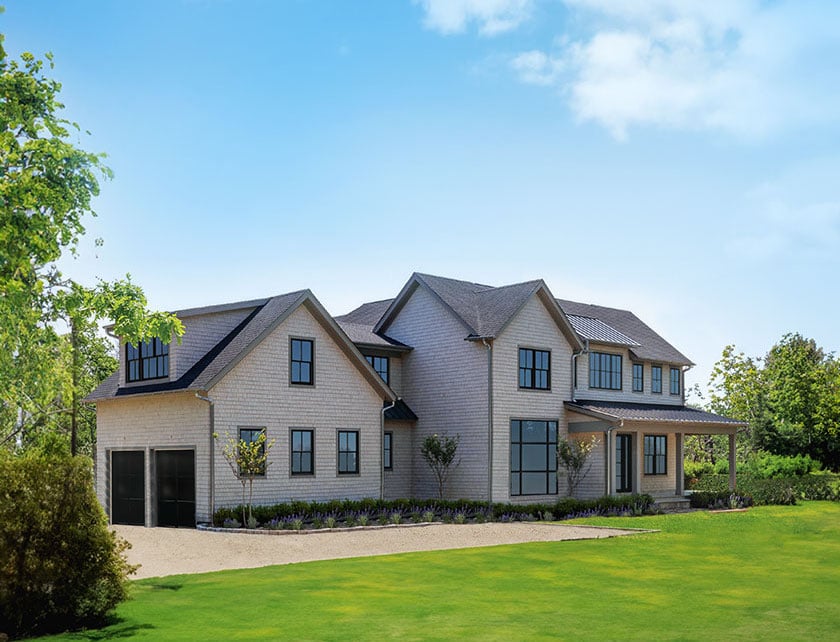
Since 2001, The Hampton Designer Showhouse has been a showcase for some of America’s premier design talent producing stunning, original, and intriguing designs. Sitting on two secluded acres, this year’s showhouse was a custom home designed and built in a modern farmhouse style by Cavallo Builders. 20 A-list interior designers transformed 30 spaces in this light-filled 9,000-square-foot home.
Once again this year, the proceeds from this showhouse benefit Stony Brook Southampton Hospital, helping to provide exceptional healthcare and services to their East End community.
We were pleased to be included in this beautiful project and to support such a great cause!
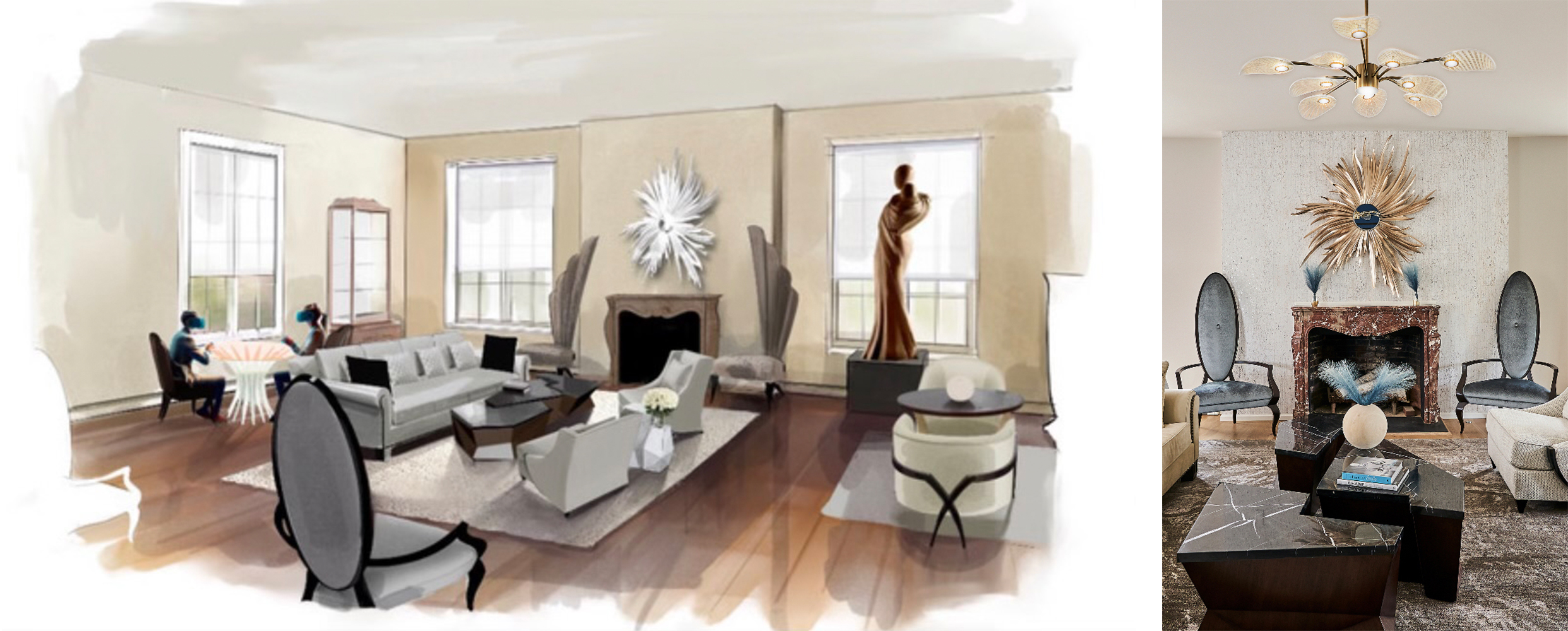
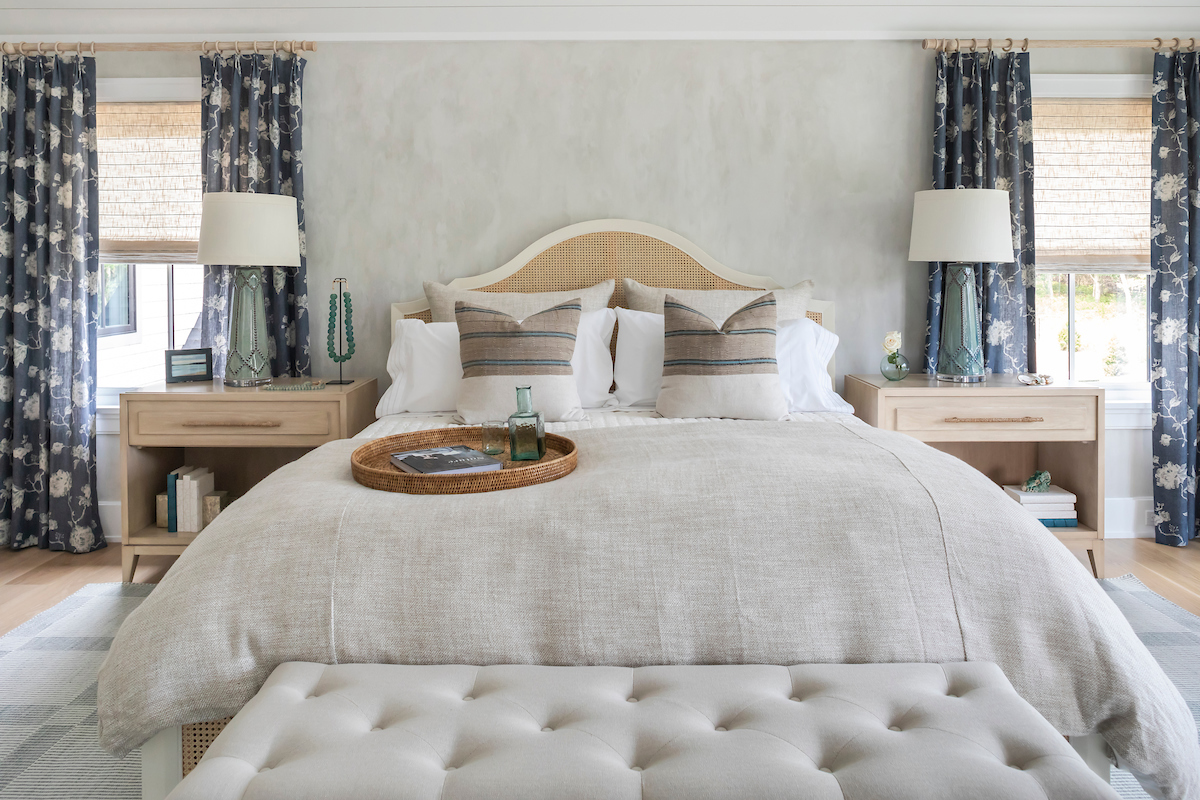
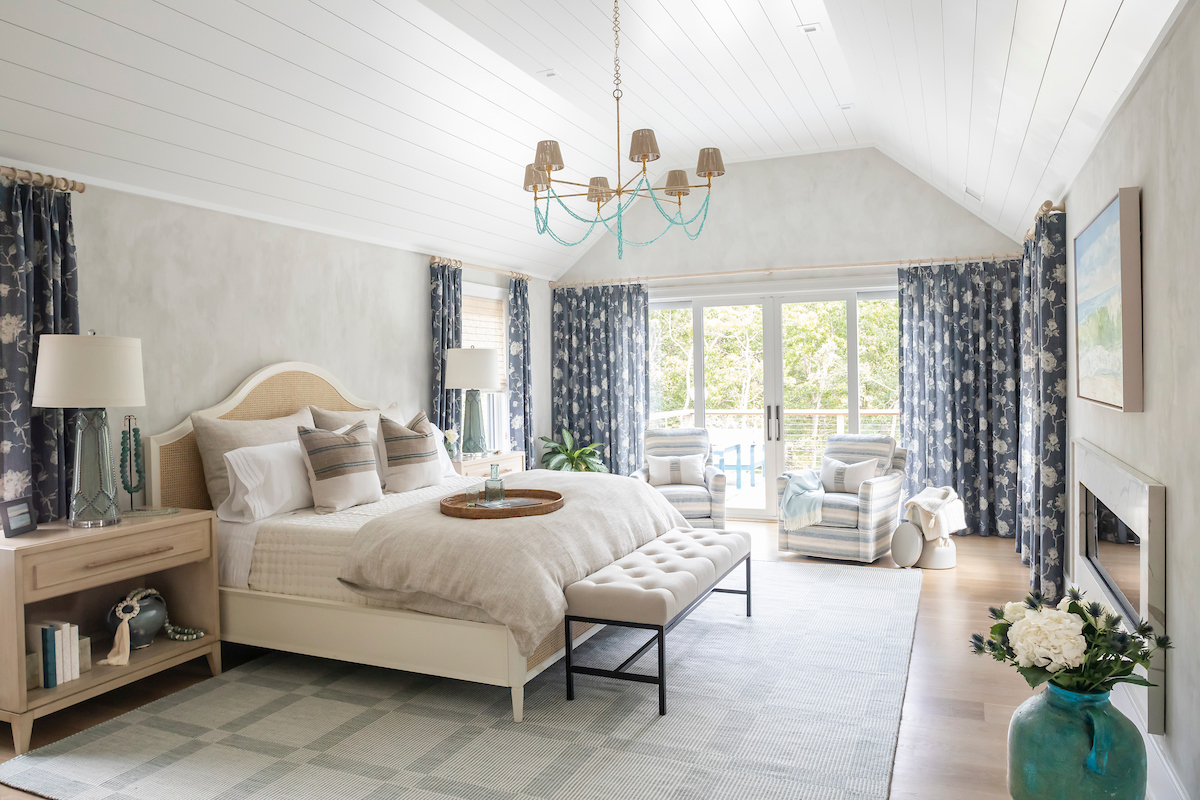
Primary Bedroom & Sun Deck Designer: Shannon Willey | Sea Green Designs
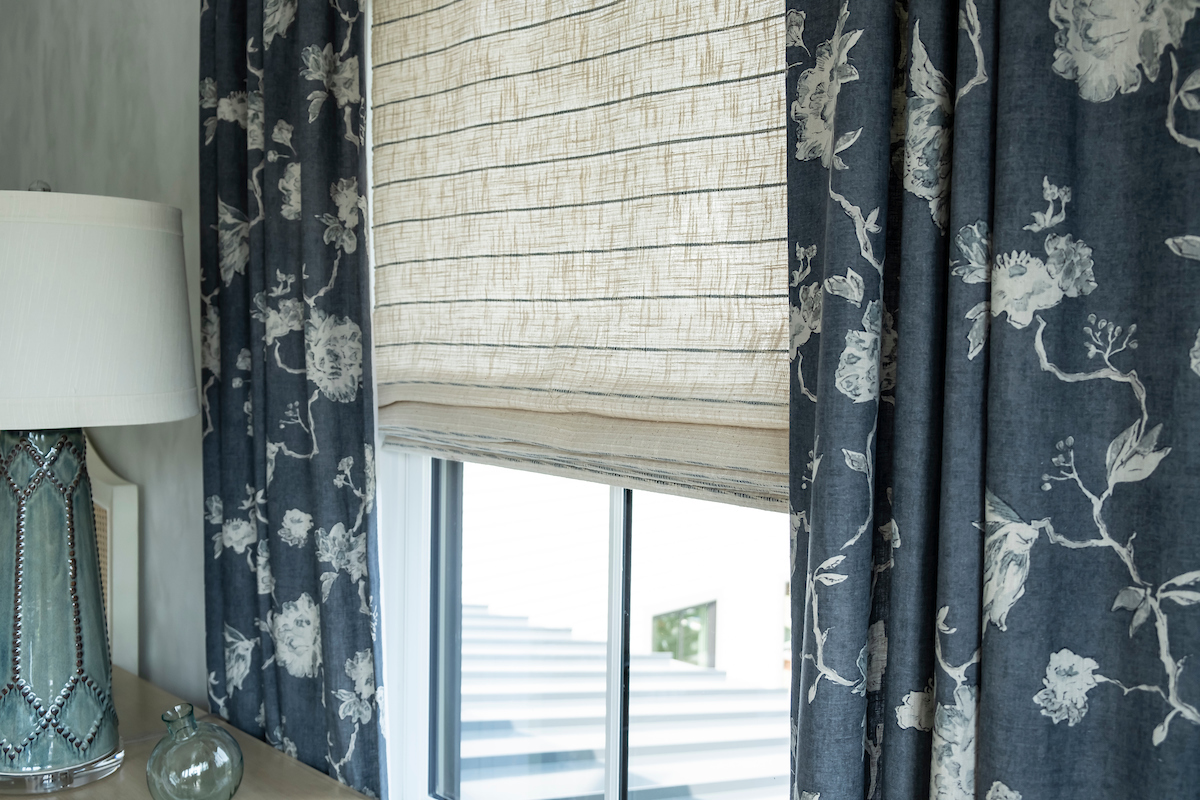
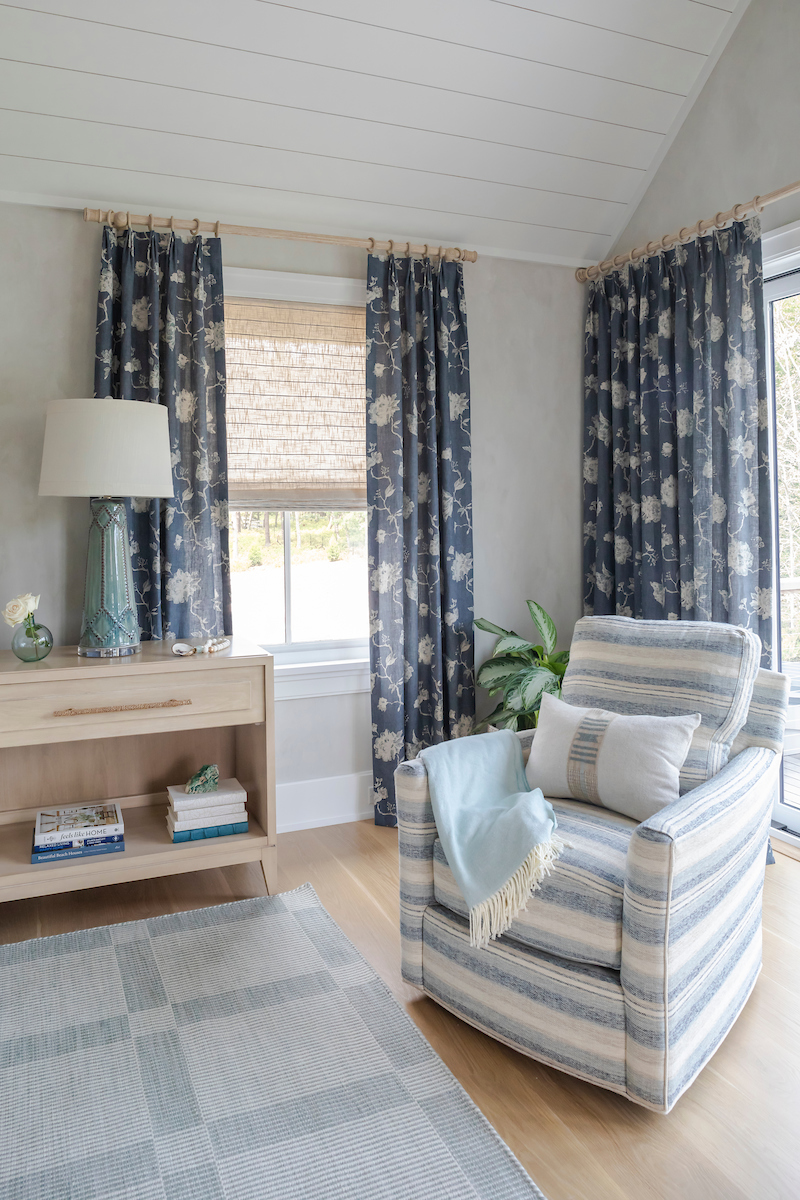
Windowcovering: Old Style Roman Shade in LEJP26-33 Windsor - Slate, from the J. Randall Powers Collection of Woven-to-Size Grassweave Windowcoverings.
Embracing a coastal blue palette, Designer and Founder of Sea Green Designs Shannon Willey told AD Pro, “The motivating idea behind the room was to create a space for rest and rejuvenation while using as many furnishings and accessories that were as sustainable as possible”.
Photos by Michele Scotto Trani
The 2023 Hampton Designer Showhouse was sponsored by HC&G (Hamptons Cottages & Gardens).
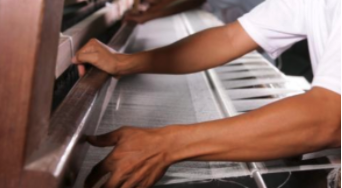
For 25 years, Hartmann&Forbes has delighted the design community by handcrafting the industry’s most diverse collection of natural window and wall coverings. Exclusively using sustainable natural fibers and weaving by hand to our clients’ size specifications, delivering a truly bespoke product in seamless widths up to 180." We are proud to continue to share this age-old tradition and look forward to continuing to be a valuable resource, helping designers create a sense of sanctuary rooted in natural design.
A heartfelt thank you for your indispensable support on this journey!
From the very beginning, our mission has been to bring the essence of nature indoors. Our artisans meticulously handcraft each piece, weaving natural fibers such as bamboo, jute, and grasses into exquisite window coverings that capture the innate beauty of the environment. This celebration of textures, organic forms, and imperfections has become our signature style, infusing spaces with a sense of authenticity and sanctuary that resonates with designers and their clients alike.
Over the years, we’ve had the privilege of collaborating with some of the most creative minds in the industry, transforming simple weaves into extraordinary works of art. Our heart and soul poured into each creation are a tribute to the age-old traditions of craftsmanship that have stood the test of time.
At Hartmann&Forbes, we recognize the importance of responsible design and production. Our commitment to sustainability is woven into every fiber of our being. From responsibly sourced and harvested materials to eco-conscious manufacturing processes, we strive to minimize our impact on the environment while creating pieces that enrich lives and spaces. As we look ahead, we remain dedicated to pushing the boundaries of sustainable luxury and inspiring others to make ethical design choices.
As we mark this milestone, we also look to the future with excitement and anticipation. Our journey has been one of continuous evolution, and the next 25 years promise to be no different. With a keen eye on design trends and a heart rooted in tradition, we will continue to redefine interior spaces, embracing innovation while staying true to our commitment to natural beauty and hand-craftsmanship.
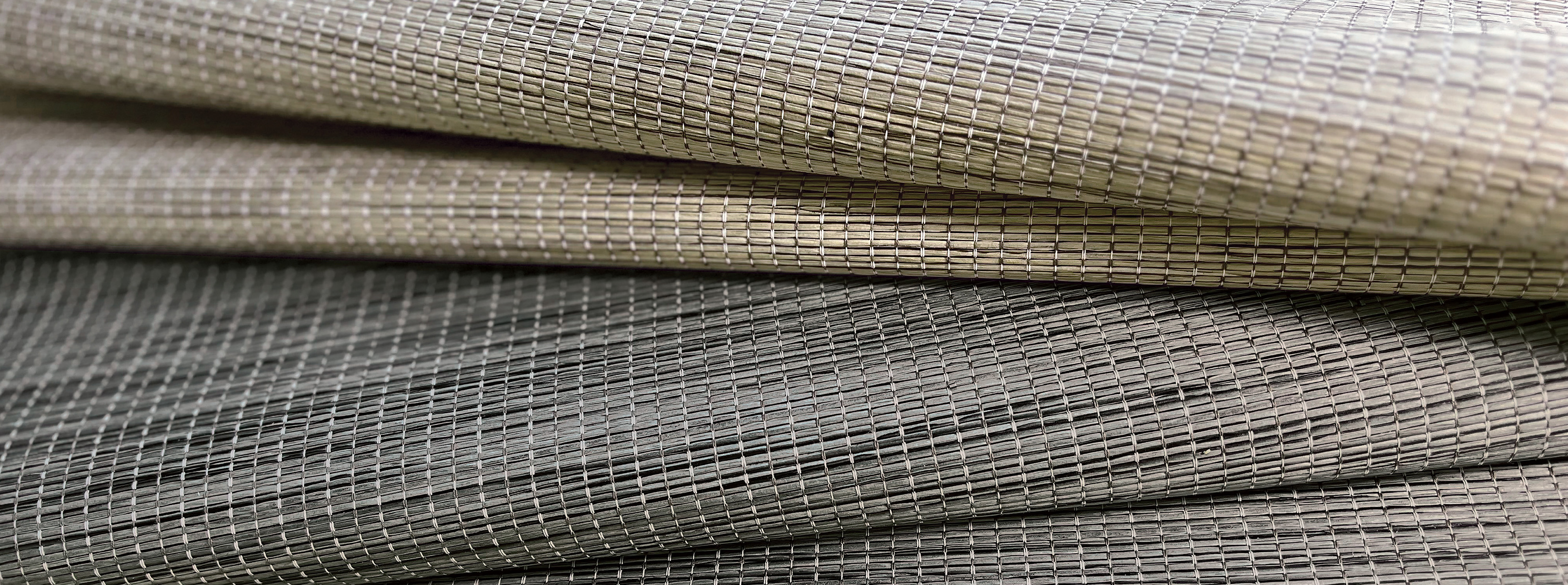
Introducing Medlar & Elderberry, two new colors in the Armenia Series from the Tailored-to-Size Papyrusweave Collection. Pre-woven and in stock, the Tailored-to-Size Collections feature shorter lead times. Our convenient, pre-woven approach has the natural fibers woven into roll goods which are inventoried in the Hartmann&Forbes finishing facility where artisans tailor every weave to precise requirements and hand-finish the edges. With 14 series to choose from in the Grassweave and Papyrusweave Collections, Tailored-to-Size has a design for every project.